
Connectivity, autonomy, and embedded software: next-generation vehicles are redefining the mobility experience. But this revolution comes with a new imperative: protecting data, onboard systems, and users from increasingly prevalent cyberthreats. During Cybersecurity Month, we take a closer look at the technological and ethical challenges at the heart of OPmobility’s priorities.
Today’s vehicles feature dozens of electronic control units, a wide range of sensors, wireless communication interfaces, and over-the-air software update systems. This sophistication creates value for drivers, automakers, and suppliers alike. It also creates unprecedented exposure to threats, as a single unsecured entry point may be enough to compromise an entire onboard system, from driver-assistance functions to the driver’s personal data.
Global Regulations Set the Course
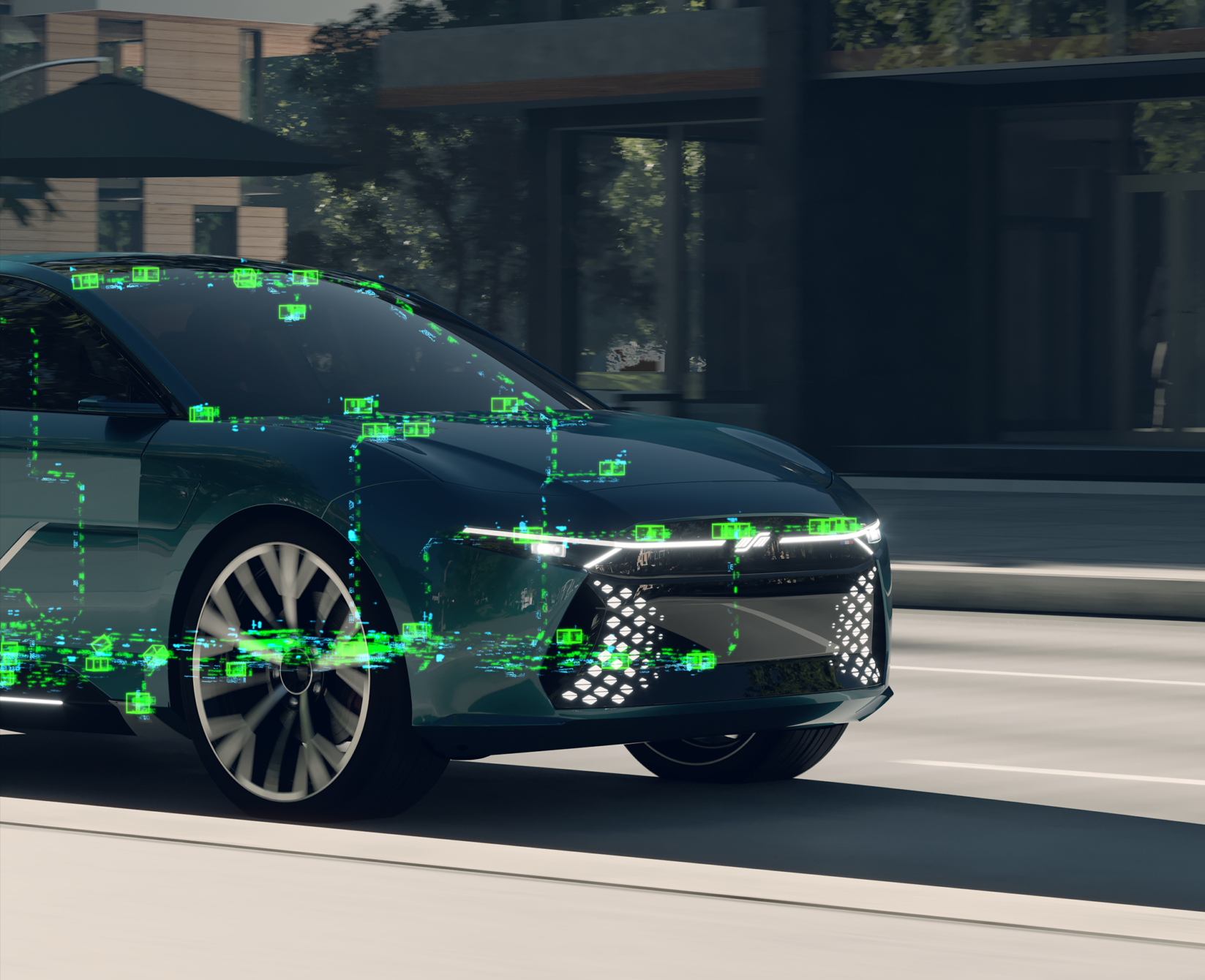
In response to these challenges, an international regulatory framework has gradually taken shape to govern innovation and support its large-scale deployment. Led by the United Nations and ISO, these regulations require automakers to implement cybersecurity measures throughout the vehicle’s entire life cycle, including incident detection, software update management, vulnerability traceability, and information reporting. For suppliers such as OPmobility, this means integrating security from the design stage onward.
“Road vehicle cybersecurity regulations are global and require measures to be implemented to ensure vehicle-related cybersecurity, detect and respond to fleet incidents, and provide secure software updates throughout the vehicle’s life cycle.” Yannick Raynaud, Mechatronics and Battery Products & Powertrain Innovation Director at OPmobility
Preparing Today for What Lies Ahead
Automotive cybersecurity must also contend with a new technology that is both more powerful and more complex to control: quantum computing. Computers capable of solving in seconds calculations that would take conventional computers years could make today’s encryption protocols obsolete. In a mobility industry where vehicle development cycles span several years, factoring this dimension into R&D today is becoming essential.
“With the emergence of quantum computers, strengthening protective measures is crucial to ensuring the security of vehicles, people, and businesses through what is known as post-quantum cryptography.” Yannick Raynaud, Mechatronics and Battery Products & Powertrain Innovation Director at OPmobility
Autonomy and Coexistence: Safety as a Condition for Acceptance

Cybersecurity challenges take on a particular significance with autonomous driving, since an autonomous vehicle interprets, decides, and acts on its own. The reliability of its software and its ability to manage unexpected situations therefore have a direct impact on the physical safety of its occupants and other road users. The fleets currently in operation — approximately 2,500 to 3,000 vehicles worldwide1 — have already traveled tens of millions of miles. All the data collected along the way helps continuously improve system safety.
But technical performance is no longer enough. Pedestrians and other vehicles must also be able to communicate effectively with autonomous vehicles and the environments in which they operate in order to prevent danger. This requires public acceptance of these vehicles, and of artificial intelligence more broadly, as they are deployed. It is therefore essential to give people the information they need to understand these technologies, shift perceptions, build trust, and ensure everyone’s safety.
For OPmobility, which operates across the entire value chain — from exterior components and energy storage systems to embedded software integration —cybersecurity is no longer just about protection; it has become a driver of innovation. Built into product design and teams’ everyday practices, it ensures the long-term trust, compliance, and performance of the solutions.
1 Source: Goldman Sachs Research report, “The Autonomous Vehicle Market,” July 2025.