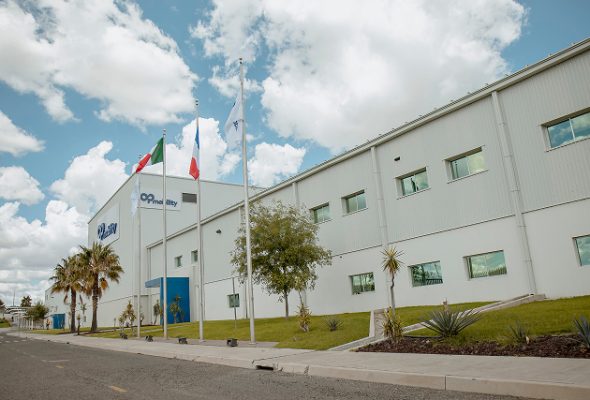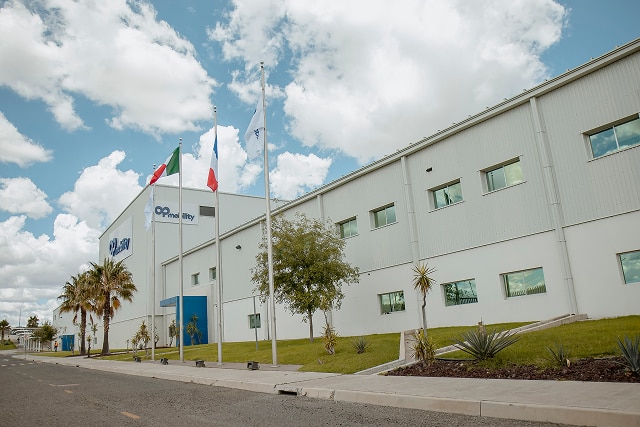
Ensuring production reliability, meeting regional needs, and adapting to shorter development cycles: in Mexico, OPmobility combines a strong local presence with industrial excellence to support North American automakers. From San Luis Potosí to León, via Puebla and Monterrey, the Group’s Mexican teams are at the heart of the continent’s regional production dynamics.
With a presence in Mexico reflecting nearly 30 years of uninterrupted growth, OPmobility operates 13 plants there and employs more than 4,300 associates. As the Group’s third largest country in terms of revenue, all OPmobility’s entities and areas of expertise are represented there: bumpers, lighting, fuel tanks, and complex modules, including grilles, headlight brackets, and cooling systems.
Located near both established automakers and new entrants, this local presence enables the Group to respond to rapid changes in development programs with greater responsiveness and agility.
Meeting Customer Expectations
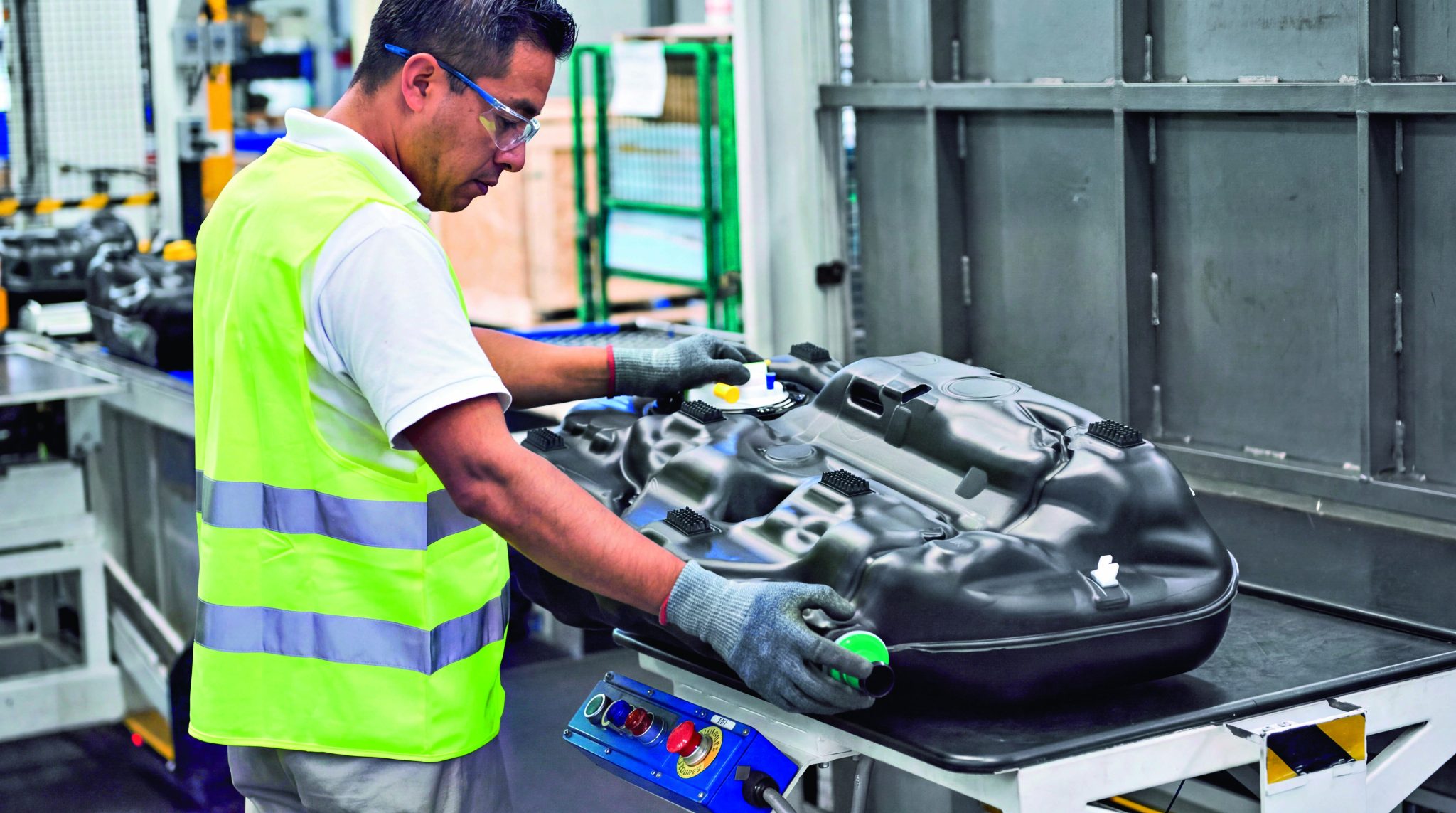
In San Luis Potosí, OPmobility’s first plant in Mexico, 430,000 car body parts were produced in 2025. Front and rear bumpers, spoilers and exterior trim parts are produced on a Just-In-Sequence (JIS) basis. Unlike Just-In-Time (JIT), which delivers parts at a specific point in time, JIS also requires that parts be delivered in the exact order in which they will be assembled on the customer’s production line. This rigorous process, which involves no buffer inventory, reflects the evolving needs and expectations of the North American automotive industry.
“It’s not just about delivering the right part at the right time. We must deliver the right component, as part of the planned sequence, with the required quality, at the exact moment the customer needs it.” Luis Antonio Pérez, San Luis Potosí Plant Director
To maintain this pace, teams monitor lines’ efficiency, scrap rates, and downtime in real time. Vision machine systems and error-detection systems, including cameras, radar, sensors, and wiring harnesses, guide operators through the assembly process. Digitalization facilitates decision-making; automation ensures process consistency.
Operational Excellence at the Heart of Our Approach
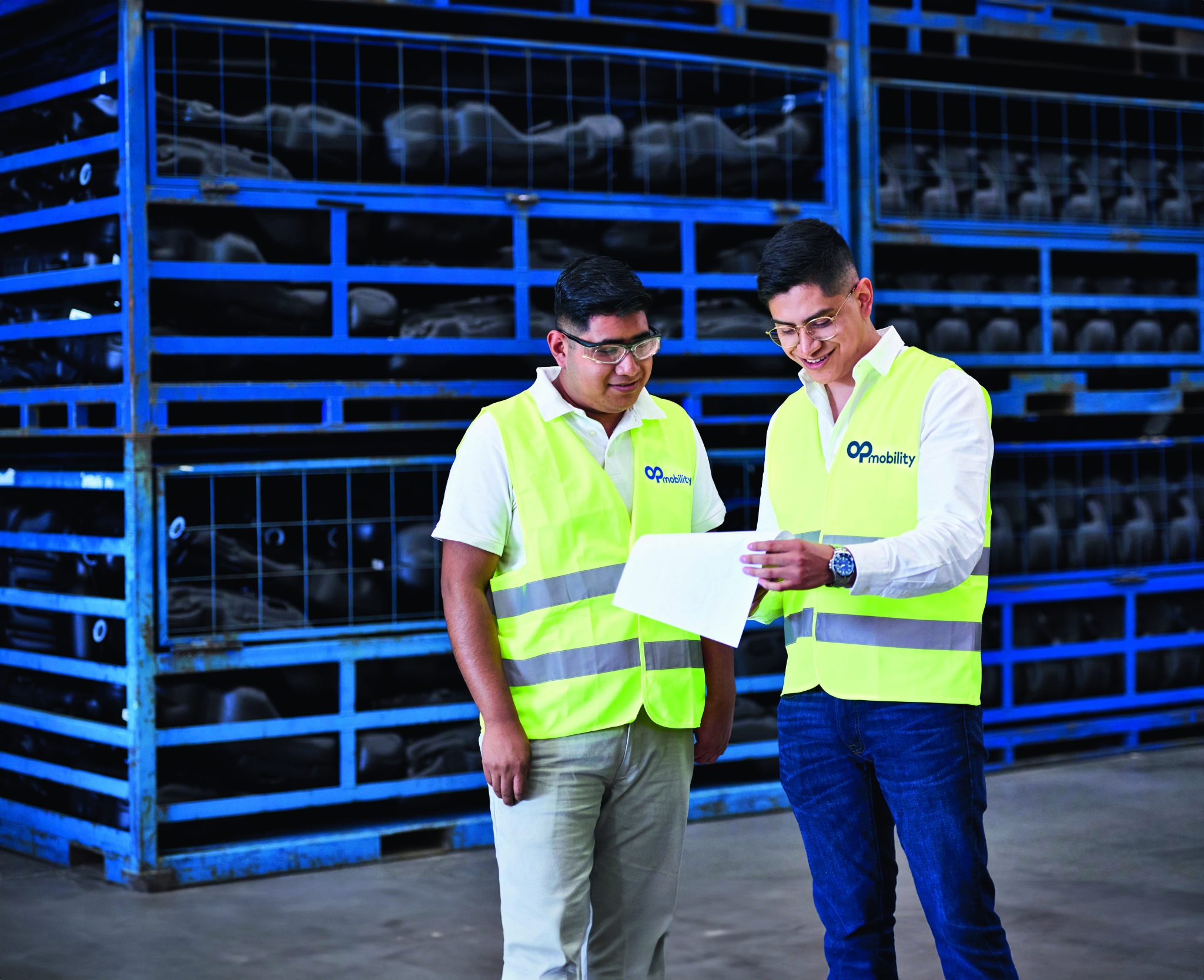
In San Luis Potosí, improvements to processes, tools, and skills have reduced the defect rate from over 1,000 defective parts per million (DPPM) in 2019 to 5 DPPM in 2026. The site has received 4 awards for its quality. Safety remains just as central: as of late August 2026, the site recorded 2,768 consecutive days without an accident. Available in 22 languages, the global “Stay Alert Together” program implemented by OPmobility supports this culture of collective vigilance.
In León, the site applies the same sequential delivery approach to its fuel tanks and energy storage system components, which are destined for North American and European customers. Production, quality, maintenance, logistics, and support functions all contribute to this performance.
“Performance is not the sole responsibility of a single department. At the León site, we have established a culture focused on proactive execution, sustainability, customer orientation, innovation, and the continuous improvement of processes, collaboration, skills, and leadership, all with a clear vision: to achieve optimal performance and profitability.” Emmanuel Florès, León Plant Director
Bringing Solutions Closer to Markets
The requirements of the Mexico-United States-Canada Treaty (T-MEC) strengthens the importance of a value chain located as close as possible to customers. This “nearshoring” approach involves bringing suppliers closer to the markets where the manufactured products are being sold, rather than relocating production to another region. Thus, Mexico’s border location with the United States, its competitive costs, and its dense supplier ecosystem makes it a key component of the North American value chain.
In 2025, 3.95 million light vehicles were produced on the Mexican market, of which more than 3.39 million were exported, 75.8% of them to the United States (Prodensa, Inegi). The Mexican automotive market is projected to grow by 4.5% annually between 2026 and 2035.
“Our presence in Mexico, close to our customers, enables us to reduce transport costs and be more responsive to engineering changes or fluctuating demand.” Pablo Farina, Country Director Mexico, Exterior & Lighting Business Group
Expanding Into New Markets
In Puebla, Monterrey, and San Luis Potosí, OPmobility is expanding its local footprint by establishing new regional hubs and production capacity, accelerating its lighting operations, and integrating new automated solutions. This transformation enables the production of components with higher technological value and allows processes to be adapted to the requirements of new production lines.
OPmobility is thus reaching a new technological and industrial milestone. The Group is building on its long-standing expertise, developing products with higher technological value, and adapting its production methods to ever-faster development cycles. This agility enables it to support its customers in their transformations and to respond with agility to new requirements for performance, flexibility, and industrialization.
With its industrial footprint and combined expertise working closely with customers, OPmobility is making Mexico a key part of its North American presence: a facility designed to combine quality, responsiveness, and competitiveness in a constantly evolving sector and market.