From Components to Extended Systems: Rethinking Modules in the Age of Intelligent Vehicles
As vehicles become increasingly connected, electrified, and intelligent, their architecture is undergoing a profound transformation. Value no longer lies solely in the performance of an individual component, but in the ability to integrate multiple technologies into a single, coherent system.
For many years, vehicle exterior parts were designed separately: the bumper provided protection, headlights illuminated the road, body panels defined the vehicle’s styling, and sensors served specific functions. This component-based approach is gradually giving way to a more functional form of design. Front ends, liftgates, and body panels are becoming surfaces capable of combining safety, lighting, detection, communication, aerodynamics, and personalization.
The vehicle is therefore becoming more than the sum of its parts. It is evolving into an interconnected whole in which every function must be considered in conjunction with the others from the earliest design stages. The module itself is changing in nature: it is becoming both a technology platform and an interface between the vehicle, its occupants, and its environment.
Integrating to Anticipate More Effectively
This evolution is opening up new possibilities in design, safety, and user experience, while also increasing the number of interfaces that must be managed. When a single module brings together materials, lighting, electronics, sensors, and software, the challenge is no longer simply to assemble them: their compatibility with the vehicle’s overall architecture must also be ensured.
Early integration helps reduce disconnects between disciplines, safeguard data continuity, validate functions more consistently, and prepare for the industrialization of the complete system. It also simplifies final assembly by limiting the number of operations and interfaces that automakers must manage on their production lines.
A New Value Chain Organization
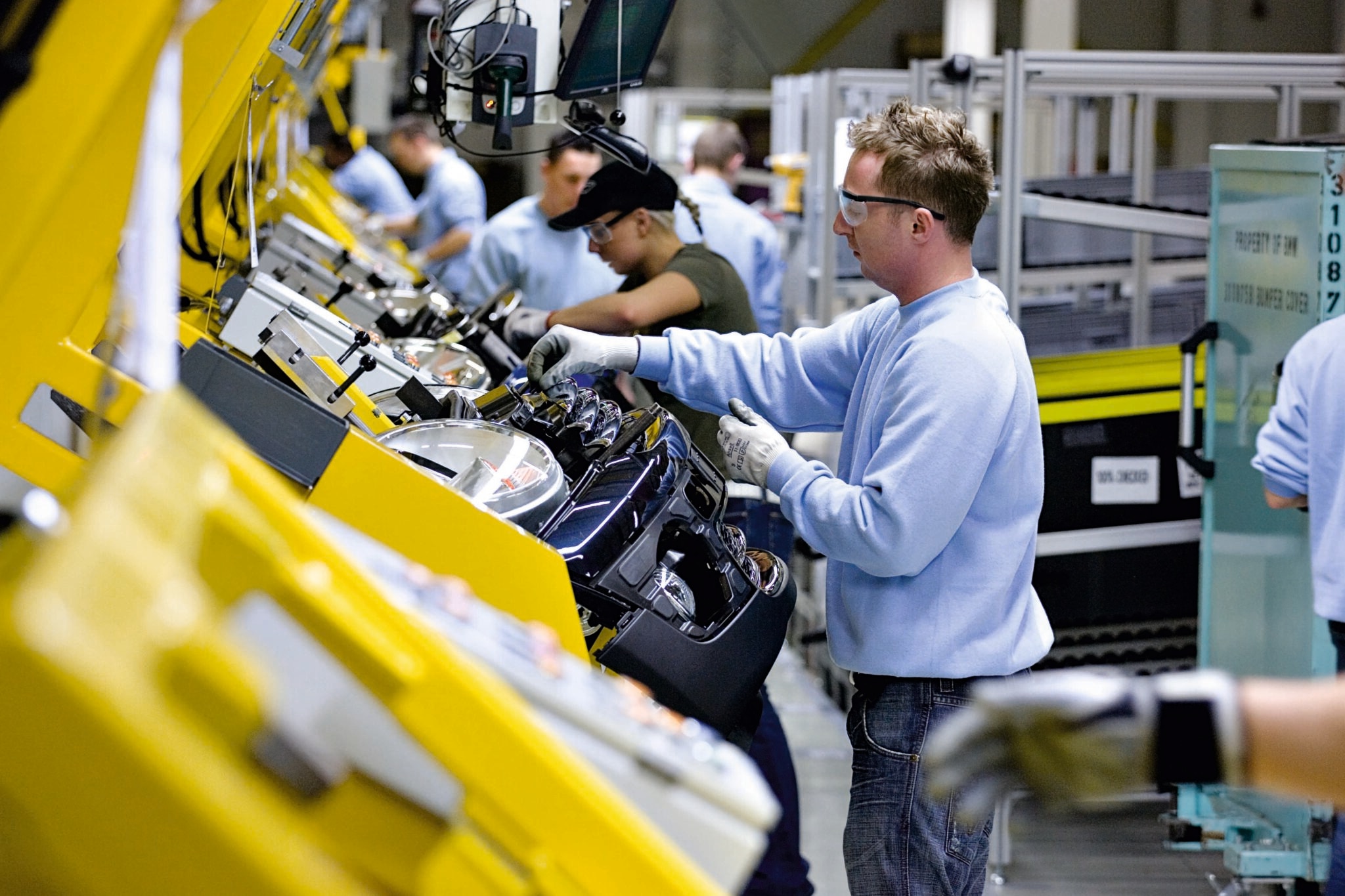
The shift from components to extended systems is also transforming the value chain. Value no longer lies solely in manufacturing a part that meets a set of specifications, but in the ability to design, coordinate, validate, industrialize, and enable communication across a complete system.
Suppliers are therefore becoming involved earlier in vehicle programs and bringing together a broader range of disciplines, combining technological expertise, interface management, and industrial know-how. For automakers, this organization simplifies project management, accelerates certain decisions, and helps address the growing complexity created by the proliferation of models, variants, and technologies.
“The automotive market is currently undergoing major changes. These transformations have opened the door to new players that are challenging established conventions. The automotive industry is therefore being called upon to rethink all of its production processes and adapt the way vehicles are developed.” Bertrand Hache, One4you and Business Development Director, Exterior & Lighting Business Group, OPmobility
One4you: From Supplier to Strategic Partner
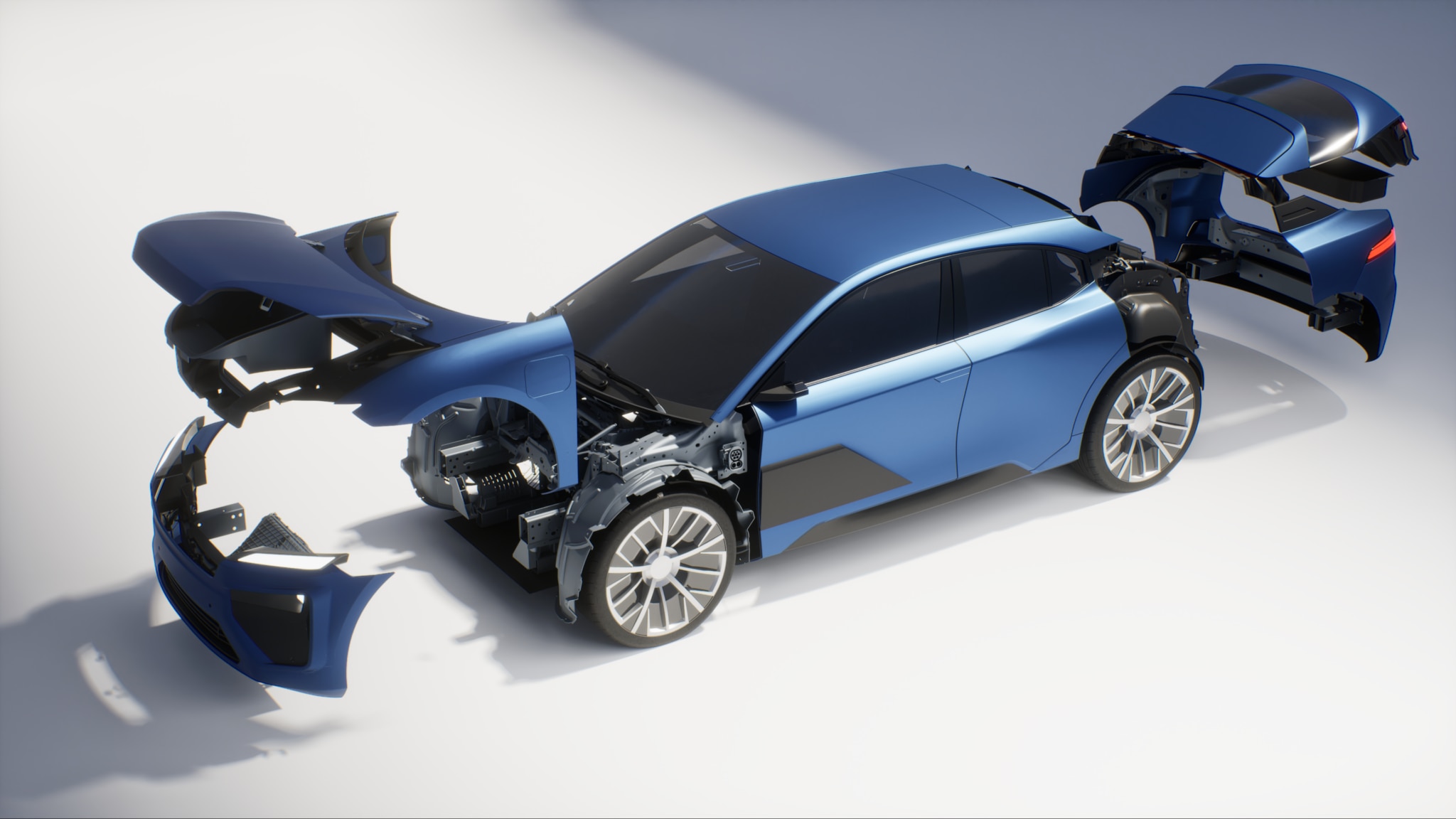
Launched in 2025, One4you brings this value-creating integration approach to life. OPmobility’s all-in-one offering for exterior parts combines body systems, lighting, complex modules, and software development through OP’nSoft.
By combining these capabilities into a single solution, OPmobility supports automakers from design through production, with an approach intended to simplify interface management and optimize industrialization.
“One4you is our response to the challenges facing the market. Our ambition is to reinvent collaboration between suppliers and automakers. This all-in-one approach goes beyond the traditional role of a supplier to create a true technology and innovation partner.” Christian Kopp, Executive Vice President, Chief Operating Officer, OPmobility
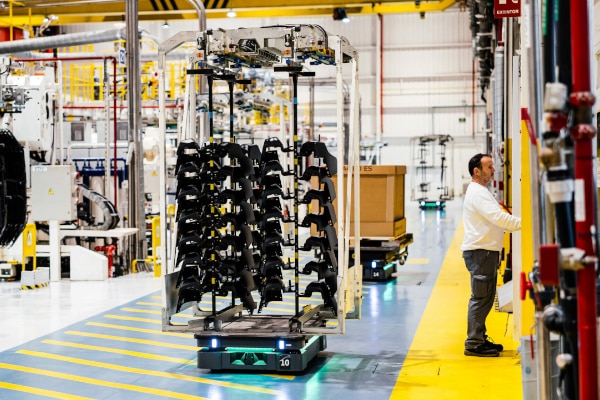
Automakers can therefore rely on a single point of contact to manage the development and production of their exterior parts. Subassemblies are delivered preassembled and validated, reducing in-plant operations, limiting the risk of interfaces between components, and avoiding the need to create new production lines. OPmobility is addressing these needs by strengthening its industrial agility in a market characterized by a growing number of models and variants, while helping to keep costs and lead times under control.
Designing Sustainable Systems
A systems-based design approach makes it possible to act more effectively on weight, the number of components, the materials used, and assembly operations. It can also promote repairability and recyclability, provided these criteria are considered from the product architecture stage onward.
Integration must not create assemblies that are more difficult to disassemble or recover at the end of their useful life. The performance of an extended system is therefore measured as much by its functional richness as by its impact across the entire life cycle.
Recycled materials, eco-design, and carbon footprint reduction are therefore incorporated alongside design, performance, and industrialization objectives from the earliest development stages. One4you integrates these environmental considerations at every step to provide a comprehensive offering that supports the transition to more sustainable mobility solutions.
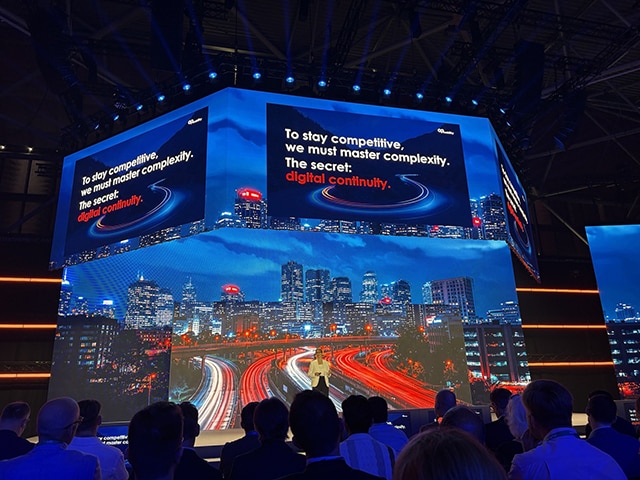
The shift from components to extended systems calls for a new way of designing vehicles, built on the convergence of expertise and the ability to manage complexity. In this context, performance depends less on each part considered in isolation than on complete, integrated, and intelligent systems capable of addressing customers’ emerging needs.